Tinted Balm or Lipstick: Two Different Ways to Add Colour
Tinted balm or lipstick? Compare feel, colour and finish to choose a lip product that suits your plans and gives you the look you want.
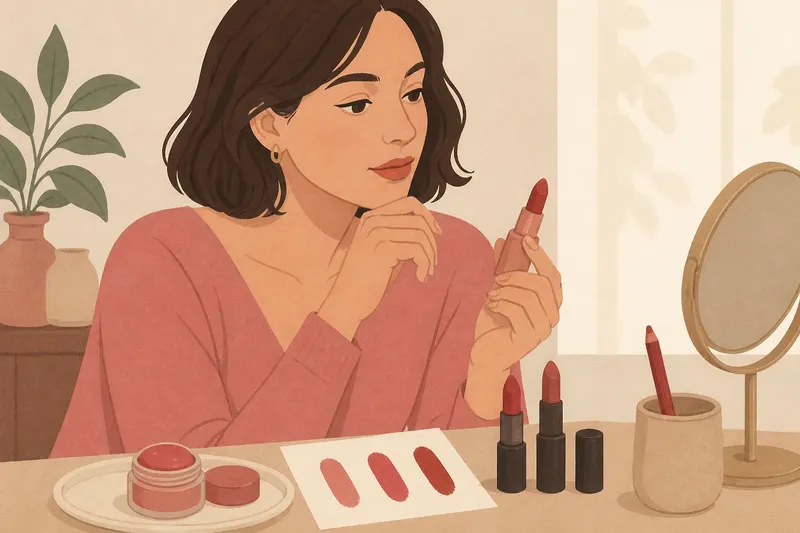
Choosing tinted balm or lipstick starts with the result you want to see and feel: a soft wash of colour with a glossy feel, or clearer edges and a satin finish. The format can point you in a useful direction, but texture and pigment matter just as much as the label.
What does tinted balm or lipstick feel like?
Tinted balm usually behaves like a lip-care product with colour folded in. Waxes and emollients can give it a gliding, cushiony feel, though the texture varies. Some balms are slick and glossy; others feel denser or look more muted. Their colour is often sheer enough for your natural lip tone to remain visible.
Lipstick covers a broad range of textures. A classic bullet may feel creamy or waxy, while a matte formula can feel drier and more defined. Satin and cream finishes sit between a soft sheen and a flatter look. Liquid lipstick can dry to a more fixed surface, with a different feel from a traditional stick.
Think about sensation, not just the label. If you dislike a slippery coating, a glossy balm may feel less pleasant than a comfortable satin lipstick. If you prefer a light, yielding layer, a dense matte formula may feel too present.
At a counter, you can compare swatches on the back of your hand, but skin there will not tell you exactly how a product feels on your lips. Check the shop’s tester hygiene guidance before trying a product.
How much colour and coverage do you want?
A tinted balm generally lets your own lip colour show through. The result can look like a softened or warmed version of your natural tone, with edges that are less crisp than a carefully applied lipstick. That suits a hint of colour without a sharply drawn shape.
Lipstick often offers more visible pigment, though coverage depends on its formula and how you apply it. A sheer lipstick can be as subtle as a tinted balm. A highly pigmented cream or matte stick can cover your natural lip tone more fully, creating a stronger colour statement in one layer.
Layering changes the result. One light swipe of lipstick can create a diffused, stain-like effect; several passes of balm may build a brighter tint while keeping a softer finish. Look at the finish and pigment description as well as the name on the tube.
For a low-contrast effect, choose a shade close to your natural lip colour. For a clearer colour shift, look for a shade that visibly differs from it.
Which finish suits the look you want?
Glossy balm catches light and can make lips look freshly moisturised. A sheer, satiny balm feels relaxed around the edges. These finishes suit a casual look or a quick touch-up when you do not want to fuss over a precise outline.
Lipstick offers more control over the visual finish. A satin red can look polished without appearing flat; a matte berry can give a crisp, graphic effect. Cream lipstick can bring shine without the fluid feel of gloss. A lip pencil can outline the edge before lipstick, though it is optional.
Think about whether you want your lips to blend into the overall effect or become its focal point. A vivid lipstick can work with minimal eye make-up, while a subtle balm can sit comfortably beside a more elaborate look.
What should you check before choosing?
- Feel: If you want a slick, cushiony layer, compare glossy balms; if you prefer a more defined coating, try a satin lipstick instead.
- Colour strength: If you want your natural lip tone to show through, look for sheer coverage; if you want it covered more fully, choose a more pigmented formula.
- Edge definition: If you prefer a soft edge, choose a balm; if you want a controlled outline, choose lipstick and consider a lip pencil.
- Finish: If you want shine, compare glossy or cream options; if you prefer a flatter look, consider matte lipstick.
- Touch-up style: If you want a quick, forgiving swipe, choose a balm; if you enjoy refreshing a precise colour, choose lipstick.
- Tools you own: If you have a lip pencil or brush and want to shape colour, lipstick gives you that option; if not, either format can be applied without those tools.
Use these checks to identify what suits your habits, not as a scorecard. A product you enjoy wearing is more useful than one that sounds ideal in the abstract.
How might your plans shape the choice?
For an errand or relaxed lunch, tinted balm can add colour without demanding a sharp application. For a meeting, celebration or evening out, lipstick may appeal if you want a more distinct shade and deliberate finish. These are options, not dress codes.
Say you are getting ready for an afternoon outdoors that continues into dinner. You want a soft feel at first, then stronger colour. You start with a sheer balm in a muted rose shade, then bring a satin lipstick in a related, deeper rose. The observable result is a gentle tint outdoors and a clearer, more defined colour at dinner; the trade-off is carrying a second product and taking a moment to apply it.
One product can also work throughout the day. If you are choosing your first lip colour, a balm can be an approachable way to explore a shade; lipstick may be a better starting point if you already know the finish and colour you like.
What do people ask about tinted balm and lipstick?
Can tinted balm replace lipstick?
Yes, if its colour and finish give you the effect you want. A sheer balm may not provide the coverage or definition you expect from a more pigmented lipstick.
Is lipstick always more drying than balm?
No. Texture depends on the formula: some creamy lipsticks feel comfortable, while some balms feel waxy or slick. If a product causes irritation, stop using it and seek advice from a qualified professional if discomfort persists.
Can you wear balm over lipstick?
Yes, a light layer can add shine or soften the feel of lipstick. It may also blur a crisp edge or alter the finish, so use a small amount if you want to keep the original look.
How do you choose a shade?
Consider the colour you want to see, your natural lip tone and whether you prefer a subtle blend or a noticeable contrast. Viewing a swatch in natural light can help you judge its appearance more clearly.
How can you describe the result before shopping?
Write down the finish, edge and colour strength you want. “Soft colour, glossy feel and a blurred edge” points towards a sheer balm; “clear edges, noticeable pigment and a satin finish” suggests lipstick. If you prefer a soft feel but want stronger colour, compare creamy or satin lipsticks as well as balms rather than treating the formats as fixed rules.
Tinted balm or lipstick is not a contest between ease and polish. Both formats come in varied textures and colour strengths, and either can be subtle or expressive. Choose by the sensation you enjoy, the coverage you want and the definition that suits your plans; then let the actual finish guide your choice.